Plate heat exchanger is very important machinery in many factories. They aid in bringing heat from one liquid to the other, from where it can function better and save energy. But with time, dirt and oil and crap can build up in there. This makes them not as good at their job. Cleaning these machines while keeping them whole is called “cleaning in place,” or CIP. It saves time and money. Here at SME we appreciate just how critical it is to maintain plate heat exchangers clean and in good working order. We hope to share ideas that will ease the burden of cleaning for all those who purchase our Products.
Most of the time, wholesale buyers operate a lot of plate heat exchangers every day. And keeping them clean while they churn out products is a major challenge. One method which has proved successful involves the employment of chemical cleaning agents capable of dissolving dirt and grease that accumulates inside the plates. These substances can pass through the exchanger, without having to open it. For instance, acids remove rust or lime deposits and alkaline solutions remove oil or fat. But it’s crucial to pick the right chemical for the kind of dirt and the metal plates, because bad chemicals will break the machine. Another method uses high-pressure water jets that will send out the dirt without harming the plates. This technique is generally used in conjunction with chemicals for improved results. There are also some companies using automatic cleaning mechanisms that do not need to be manually monitored during the cleaning process. That helps to clean many machines at a time and reduces the potential for human error. We’re often advising our buyers at SME, to try the clean method on a small are first. In this way, they could head off trouble and save money. It is also wise to schedule cleaning times when the factory is less busy so production will not be held up for too long. It’s also very helpful to have trained workers who know how the cleaning process works. They can catch problems early enough to fix them, before things get worse. Cleaning in place isn’t just about cleanliness. It’s also about maintenance and the overall health of the whole system, most likely leading to longer life (and higher profitability). So, wholesale buyers may want to consider cleaning as part of a machine maintenance regimen, rather than something done once.
It is hard to clean a plate heat exchanger without disassembling inquisitively. Safety must come first. Before you begin, turn the machine off and let it cool. Workers can easily be harmed by hot liquids and chemicals if they are not cautious. NOTE: As always, use protective gloves, glasses and clothing when cleaning with SME. Valves should also ALL be shut, and heat exchanger separated from remaining system. This prevents chemicalsused and unused from leaching into other parts. The cleaning is commenced by means of pumping the cleaning product through the cooker. The fluid passes between the plates dissolving dirt and deposits. It’s a good idea to agitate the solution for an appropriate amount of time: too short and dirt remains, too long and you could damage the plates. It is also very important to rinse after you have cleaned. The drop tank with all chemicals should be rinsed empty, in order not to corrode or mix production liquids later. Here, it helps to get the water pressure and temperature right. Workers should closely monitor the process for leaks or other issues. When efficiency is your goal, a good plan and the right tools are the combination that will get you there. Small pumps to circulate cleaning fluids, sensors to monitor temperature and flow are good examples here. At times, cleaning solutions can be recycled once they are filtered, saving money and waste. Once cleaning is finished, it’s a good idea to check the heat exchanger to ensure it performs well once more. This can be done through monitoring the temperature rise or pressure drop across the machine. If something doesn’t look right, the cleaning should be repeated or otherwise the machine might need to be checked for damage. We’ve watched many factories at SME turn their cleaning around by methodically following these steps. It is not a speedy process, but doing it right makes machines last longer and work better. Workers feel more secure if they know how to clean safely as well. This leads to a better working environment in the entire factory.
In sharing this information, SME tries to be usefull for all practicing plate heat exchanger users. Cleaning in place is a clever way of ensuring that the machines never come to a grinding halt. With the proper approach and safety precautions, cleaning goes from a difficult task to just part of making sure that things are working well every day. Learn more about our Service offerings that support efficient cleaning processes.

Bulk Plate Heat Exchanger CIP Solution For Complete Equipment Life What you need: · Ultrasonic scale cleaner for your marine, dual plate, gasketed heat exchangers · An equipment safe and non-hazardous descaler – we recommend ScaleBreak-MP Our medium sized option is perfect for pre-planned maintenance and tests done on moderate size units.
Plate heat exchanger is a significant equipment of heat transfer between two fluids. They save energy and keep many processes running smoothly in a wide range of industries. Because these machines deal with liquids, they can get gunky on the inside. Dirt, oil and dust can adhere to the plates through which the heat passes. When that happens, the plates can no longer conduct heat properly, and the machine may not function correctly. This is why cleaning is crucial.” SME plate heat exchangers can be supplied with special of CIP (cleaning in place) solutions. “Cleaning in place” is all about cleaning the machine without taking it apart. This is a time and cost-effective as the machine can be cleaned in-situ and while still in operational condition. Our CIP liquids are non-hazardous, non-corrosive and non-toxic formulated to clear away dirt, rust and other on-plate build-up. The circulation properties of the cleaning liquids which flow through the heat exchanger spread to all corners inside the panels. This deep clean helps the plates perform like new. Using SME's CIP will also help prevent the plates from ever being damaged. The metal plates can be damaged by harsh cleaning methods, which can cause the machine to wear out rather quickly. Our cleaning solutions are formulated to be mild, yet powerful enough to tackle most stain. In reality, the plate heat exchanger will have a considerably longer life with regular cleaning using SME’s CIP solutions. The machine uses less energy, it needs fewer repairs when the plates stay clean. It can mean saving money for business and avoiding the headaches of broken machines. In summary, SME’s industrial cleaning in place solutions maintain your Plate Heat Exchangers keeping them clean, efficient and extending their life. This is a wise investment for anyone who wants to ensure equipment runs well and does not lead to expensive equipment down time. For detailed technical info, you might want to explore our ICCP and MGPS systems which complement cleaning processes.
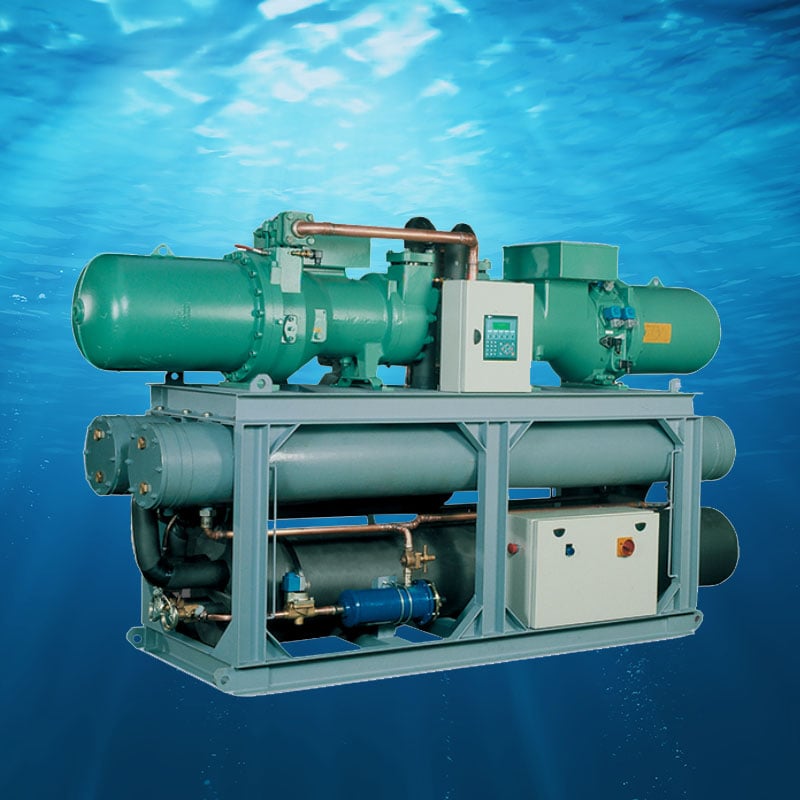
Understanding how frequently to wash a plate heat exchanger is crucial to make sure that it remains in good shape. If you clean it too infrequently, dirt and grime accumulate and impede the heat exchange; if you clean it too vigilantly, same. If you clean it too frequently, you could end up losing time and going through more of your cleaning liquids than is necessary. SME works with companies to determine the proper cleaning schedule for their plate heat exchangers. If you’re technically inclined, keep these items running in tip-top shape by cleaning them multiple times per week. The optimal frequency for cleaning your machine varies based on the type of liquid that you use, but also how dirty these liquids are and if they experience heavy or moderate usage each day. A light cleaning may be required every couple weeks. In alternate cases, it could even be months. There are a couple of ways to know when you should clean, and one is the degree to which your heat exchanger goes to work for you. If the temperature of the discharge fluid varies, or if it runs less efficiently than usual, that might indicate it’s time to clean. Additionally, SME’s specialists can also visit onsite to verify the pressure differential across plates. As dirt accumulates, it blocks the flow of fluids and that results in more pressure. This is an easy way to tell when a cleaning is due. Another method is to use a regular scheduling based on experience with similar machines. Find out more SME offer cleaning in place plans, to let you know when and how to clean for optimal results. Don’t forget to document each cleaning. This allows companies to spot trends and continually refine their cleaning schedules. Cleaning the plate heat exchanger at the appropriate intervals, with support from SME, companies gain better performance, save energy and protect the machine against damage. This intelligent method of cleaning prolongs the machine’s useful life and ensures continued problem-free operation.
SME's ICCP (Impressed Current Cathodic Protection) Systems provide solid corrosion protection due to the latest technology and many years of expertise in the field. As a leading manufacturer in China we guarantee high quality and plate heat exchanger cleaning in place through the accumulation of expertise gained by handling hundreds of vessel projects every year.We offer comprehensive ICCP solutions, including all anodes, spare parts and electrodes for reference. Furthermore, SME provides expert modification repairs, maintenance, and modification services to ensure your system runs at peak performance throughout its lifetime. SME also provides AI systems that analyze data sheets in logs and predict the future, providing accurate safety assessments and alerts.SME aims to go beyond your concerns, not just your expectations!
SME is a plate heat exchanger cleaning in place marine engineering company in China is an expert in advanced corrosion protection as well as heat exchanger service and marine growth prevention systems.SME has a long history in the industry and provides extensive solutions, including design, installation and ongoing maintenance of ICCP Systems, MGPS and Plate Heat Exchangers. Our 5,000 square meter workshop and inventory of 10 million dollars reflect our huge capacity and commitment to provide high-quality service. Our assistance to hundreds of vessels annually ensures that every project has the ability to benefit from our expertise as well as the most cutting-edge technology.SME is determined to address the scope of your concerns, not only your expectations!
SME offers an plate heat exchanger cleaning in place of Plate Heat Exchanger (PHE) maintenance services that are designed to help ensure the durability and effectiveness of your equipment. The services we offer include expert cleaning, thorough inspections precise pressure testing, and sophisticated Cleaning In Place (CIP) processes that enable efficient cleaning on-line, without the need to dismantle the machine.With a 5,000-square-meter workshop and a massive $10 million inventory, we are prepared to take on projects of all sizes. Our huge capacity, coupled with our decades of experience and cutting-edge service technology, allows us to assure a 12 month guarantee for every PHE projects.Our commitment to high-quality and precision reduces risk, increases the life of your heat exchangers and ensures that they perform at peak performance.
SME offers professional Marine Growth Prevention System solutions (MGPS) to protect your vessel's seawater cooling system from the harmful effects of marine biofouling. Our systems are designed and constructed with precision, which ensures durability and long-lasting performance with minimal maintenance.SME has years of marine engineering expertise. SME offers all aspects of MGPS services such as design and installation, modifications repairs, maintenance, and modification. We have a plate heat exchanger cleaning in place of MGPS spare parts, allowing us to respond quickly to your MGPS parts needs.Choosing SME means choosing an enterprise that not only provides high-quality MGPS solutions, but also provides the knowledge and resources required to ensure your systems are operating functioning at peak efficiency, thereby decreasing the chance of delays and costly repairs caused by marine biofouling.
 EN
EN