anodi in alluminio? Queste specifiche aree di particolare rilevanza sono di fondamentale importanza poiché proteggono l’imbarcazione dalla corrosione e dai danni. Ma...">
Hai suggerito che la tua barca ha anodo di alluminio ? Queste aree particolari di grande importanza sono fondamentali perché impediscono che la barca si arrugginisca e venga danneggiata. Tuttavia, l'acqua presenta molte sfide per le barche, come il sale e altri materiali che possono corrodere il metallo. Analizziamo più da vicino queste anode in modo da poter mantenere meglio la tua barca e tenerla sempre in ottime condizioni!
Quando le barche rimangono a lungo immersa nell'acqua, possono iniziare ad arrugginirsi. In questo articolo: Arrugginimento (l'acqua salata e altri ingredienti nocivi presenti nell'acqua causano l'arrugginimento. È qui che entrano in gioco le anode in alluminio per barche. Le anode sono composte da metalli come alluminio, zinco o magnesio che sono diversi dal metallo che compone la tua imbarcazione. Questi materiali vengono utilizzati perché sono più suscettibili all'arrugginimento rispetto al metallo della barca. Ciò significa che invece della barca che si deteriora, sono le anode a prendersi l'arrugginimento. Per questo motivo vengono definite "sacrificali" poiché sacrificano il proprio materiale per tenere la tua barca al sicuro e protetta!
L'acqua salata può causare una reazione quando due tipi di metalli diversi si incontrano — arrugginimento. Non è buono per la tua barca! Tuttavia, essi corroderanno al posto del metallo della barca se applichi anodi in alluminio alla tua barca. Questo processo protegge il metallo sulla tua barca dai danni. Questo è noto come protezione galvanica, ed è un modo ingegnoso ed efficiente per prevenire l'arrugginimento e mantenere l'aspetto della tua barca.
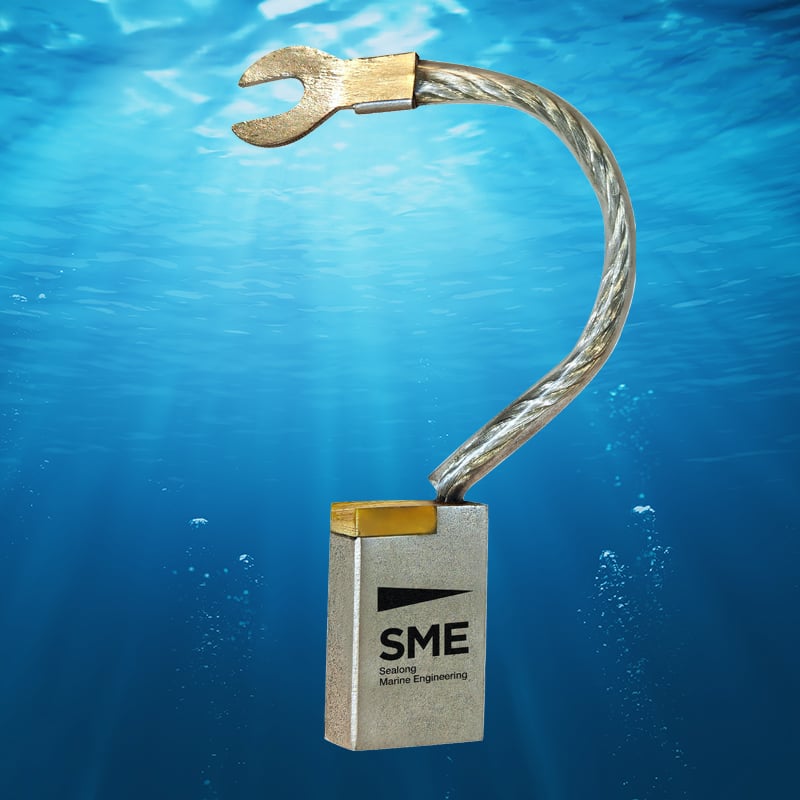
Gli anodi in alluminio per barche sono costruiti con un tipo di lega di alluminio. Questa lega speciale ha la proprietà di arrugginire in modo diverso dal metallo della tua barca. Gli anodi vengono solitamente fissati alle parti più esposte della barca, come la carena, l'elica e altre parti metalliche, con viti o bulloni. Una volta che la barca è in acqua, gli anodi cominceranno ad arrugginire. Beh, quell'arrugginimento è in realtà una cosa positiva, significa che stanno svolgendo il loro compito, proteggendo la tua barca!

Come proprietario di una barca, controllare le tue anode regolarmente è di estrema importanza. Speriamo che siano ancora funzionali e non completamente arrugginite. Se tutte le anode sono completamente arrugginite, non possono più proteggere la tua barca - ciò può causare danni catastrofici. Ogni 6 a 12 mesi è una buona idea controllare le tue anode. Se usi la tua barca frequentemente, considera di controllarle ancora più spesso. Se vedi che le anode sono arrugginite, devi sostituirle. Puoi acquistare anode di ricambio da un negozio come SME, dove ti assicureranno di ricevere esattamente ciò di cui hai bisogno.
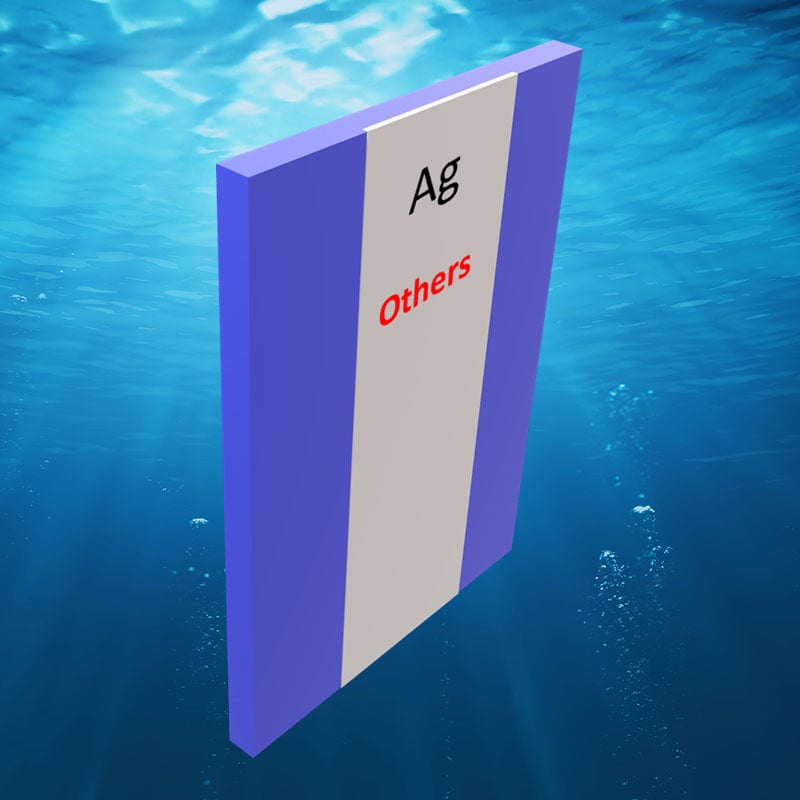
Scegliere la dimensione e il tipo corretto è fondamentale quando si selezionano le anode per la tua barca. Per esempio, se la tua barca è principalmente per acque dolci, puoi utilizzare anodi di magnesio poiché l'acqua dolce non tende ad essere altrettanto corrosiva dell'acqua salata. Tuttavia, se hai una barca che naviga in acque salate, scegli invece anodi di alluminio poiché si adattano perfettamente nell'acqua salata. Le anodi stesse devono essere abbastanza grandi da fornire una protezione sufficiente senza essere eccessivamente grandi e creare resistenza al tuo natante o influenzare le prestazioni. Negozi come SME possono anche consigliarti sulla scelta delle anodi appropriate per la tua barca particolare.
SME è una prestigiosa azienda cinese specializzata in ingegneria marina, con competenze avanzate nella protezione contro la corrosione, nei servizi per scambiatori di calore e nei sistemi preventivi contro la crescita biologica marina. SME vanta una lunga esperienza nel settore e offre soluzioni complete, compresi la progettazione, l’installazione e la manutenzione di sistemi ICCP, sistemi MGPS e scambiatori di calore a piastre. Il laboratorio di 5.000 metri quadrati e l’ampio magazzino di anodi per imbarcazioni in alluminio testimoniano la nostra notevole capacità produttiva e il nostro impegno nel fornire servizi di elevata qualità. Ogni anno assistiamo centinaia di unità navali, garantendo a ogni progetto il beneficio della nostra vasta esperienza e delle più recenti tecnologie. Da SME non ci limitiamo a soddisfare le vostre aspettative: miriamo a superare le vostre preoccupazioni!
SME fornisce anodi in alluminio per imbarcazioni e soluzioni per sistemi di prevenzione della crescita marina (MGPS) per proteggere il sistema di raffreddamento a acqua di mare della vostra imbarcazione dall’incrostazione biologica marina dannosa. I nostri sistemi sono progettati e costruiti con precisione, garantendo prestazioni durature e manutenzione minima. SME vanta anni di esperienza nell’ingegneria marina. SME offre tutti gli aspetti dei servizi MGPS, inclusi progettazione e installazione, modifiche, riparazioni, manutenzione e assistenza. Il nostro ampio magazzino ci consente di soddisfare qualsiasi esigenza di ricambi MGPS, assicurando che la vostra imbarcazione rimanga protetta senza interruzioni. SME è un partner affidabile che fornisce non solo sistemi MGPS affidabili, ma anche l’esperienza e le risorse necessarie per garantire il funzionamento ottimale del vostro sistema. Ciò ridurrà la probabilità di costose riparazioni e fermi operativi causati dall’incrostazione biologica marina.
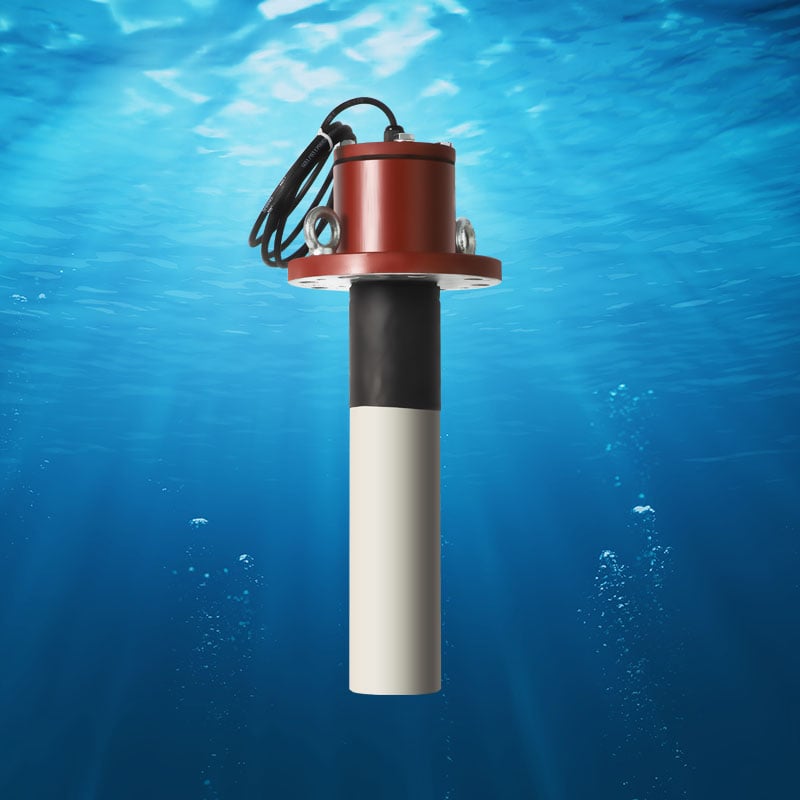
gli anodi per barche in alluminio e i sistemi ICCP (Protezione catodica a corrente impressa) garantiscono una protezione affidabile contro la corrosione, sfruttando le tecnologie più moderne e decenni di esperienza nel settore. Siamo un rinomato produttore cinese e acquisiamo esperienza gestendo ogni anno centinaia di progetti navali. Offriamo una gamma completa di soluzioni ICCP, comprensive di anodi e ricambi. SME fornisce inoltre modifiche o riparazioni professionali, nonché servizi di manutenzione, che assicurano il massimo rendimento dei vostri impianti per l’intera durata del loro ciclo di vita. Offriamo inoltre strumenti basati sull’intelligenza artificiale per analizzare i registri operativi e prevedere eventi futuri, fornendo valutazioni di sicurezza precise e allerte tempestive. SME si impegna a superare non solo le vostre aspettative, ma anche le vostre esigenze!
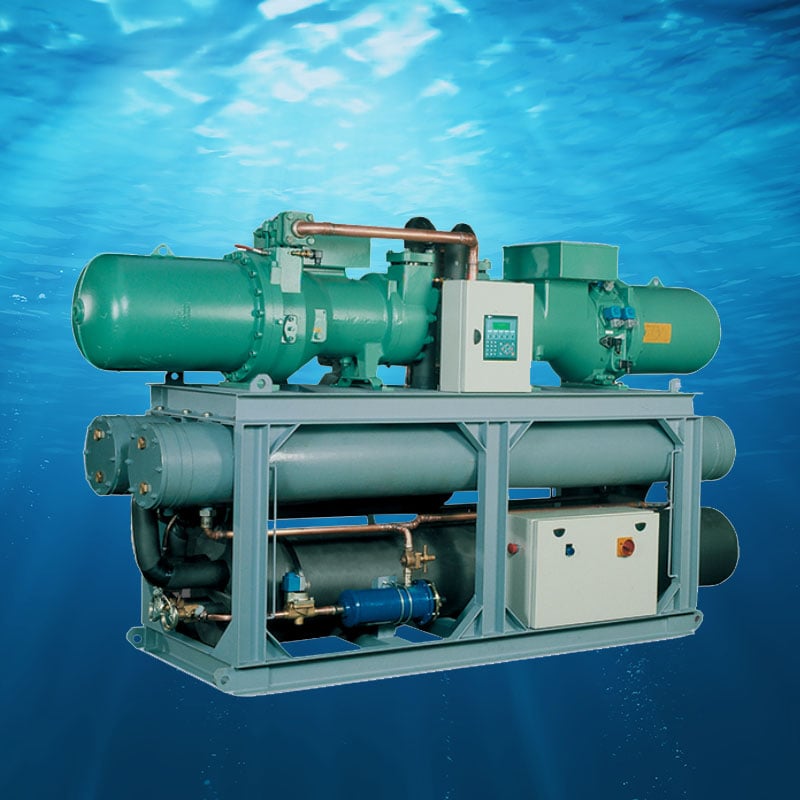
SME offre un'ampia gamma di servizi di manutenzione per scambiatori di calore a piastre (anodi per imbarcazioni in alluminio), progettati per garantire la durata e l'efficacia dei vostri impianti. I servizi che offriamo includono pulizia professionale, ispezioni accurate, collaudi di pressione precisi e i più avanzati processi di pulizia in situ (CIP), che consentono una pulizia efficiente in linea, senza la necessità di smontare l'apparecchiatura. Con un laboratorio di 5.000 metri quadrati e un ingente inventario del valore di 10 milioni di dollari, siamo perfettamente attrezzati per gestire progetti di ogni dimensione. La nostra elevata capacità produttiva, unita alla consolidata esperienza pluriennale e alle più moderne tecnologie per la manutenzione, ci permette di offrire una garanzia di 12 mesi su ogni progetto relativo a scambiatori di calore a piastre (PHE). Siamo fortemente impegnati nella qualità e nella precisione: questo ci consente di ridurre al minimo i rischi e di prolungare la vita utile degli scambiatori di calore da voi installati.
 EN
EN