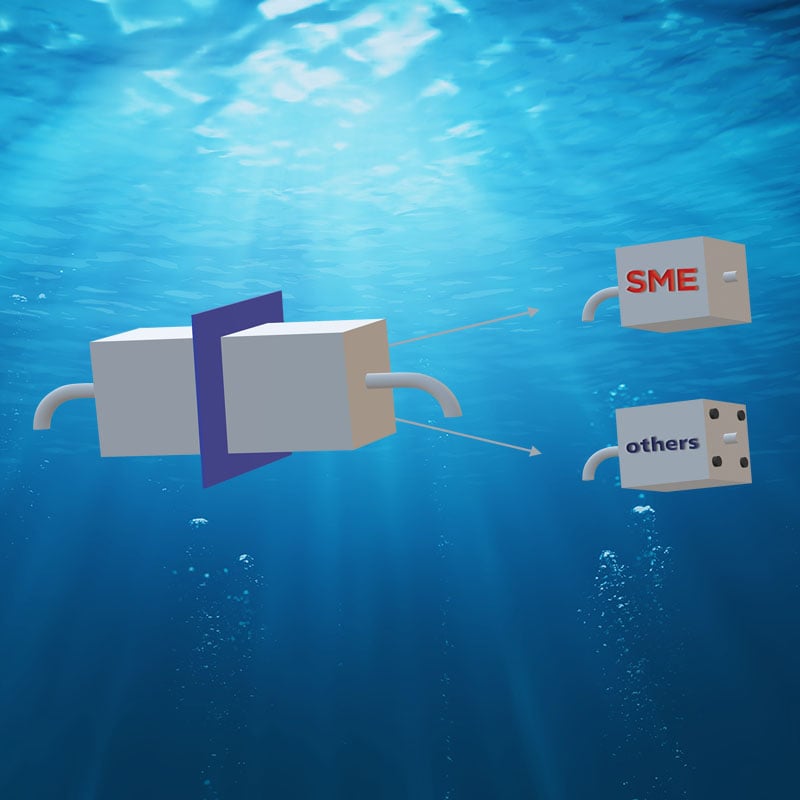
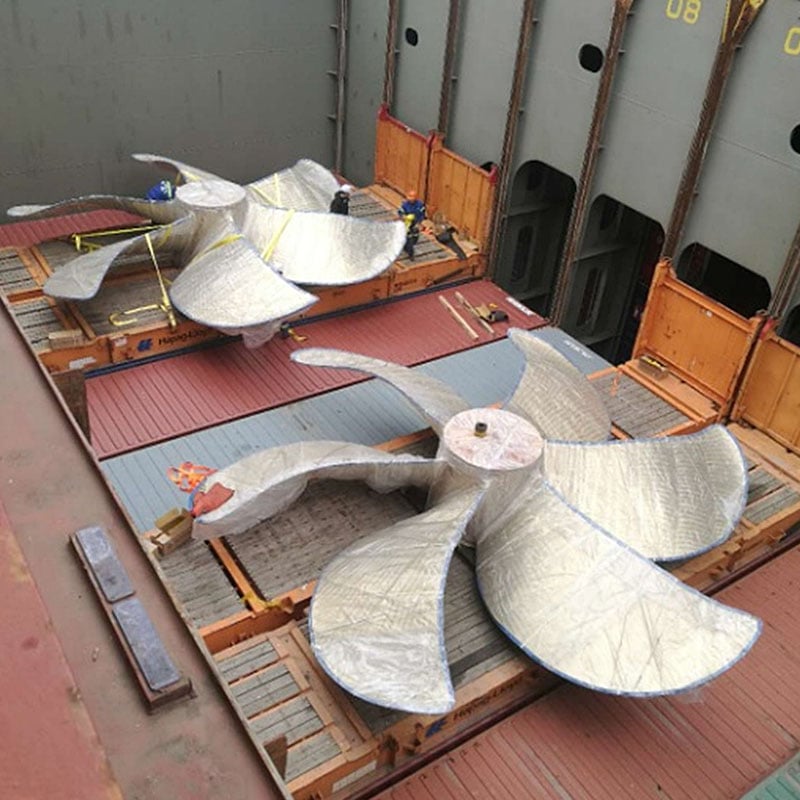
Malubha ang epekto ng korosyon sa mga barko. Tingnan mo, kapag nabasa ang mga metal na bahagi ng isang barko, maaaring magsimulang mag-rust at sumira. Hindi lang ito masama para sa barko, kundi maaari ring lubhang mapanganib. Ang impressed current cathodic protection ( ICCP ) ay ang sagot. Dinisenyo ang sistemang ito upang pigilan ang pagkorosyon ng mga sasakyang pandagat gamit ang teknolohiyang elektriko. Dito pumasok ang mga kumpanya tulad ng SME. Dalubhasa sila sa mga sistemang ito upang matiyak na ligtas ang mga barko at mas matagal ang buhay nila sa tubig. Ang pag-alam kung paano pumili ng tamang sistema at kung paano ito gumagana ay makatutulong sa mga may-ari ng barko na mapanatiling maayos ang kanilang mga sasakyan.
Mahalaga ang pagpili ng pinakamahusay na impressed current cathodic protection system para sa iyong armada. Una, kailangan mong isaalang-alang ang sukat ng iyong mga barko. Ang mas malaking bangka ay nangangailangan ng mas mahusay na proteksyon kaysa sa mas maliit. Susunod, tingnan nang mabuti ang tubig kung saan lumalayag ang iyong mga barko. Mas nakakakalawang ang tubig-alat kaysa sa tubig-tabang, at maaaring kailanganin ang mas matitinding sistema para sa mga barkong pandagat. Alamin palagi kung anong uri ng materyales ang ginamit sa paggawa ng iyong mga barko. Kung mayroon silang mga metal na iyon, maaaring kailanganin nila ang iba't ibang uri ng proteksyon. Isa pa rito ay ang pinagmumulan ng kuryente. Ang suplay ng kuryente ay nagpapadala ng maliit na kuryenteng elektrikal sa pagitan ng mga bangka sa karamihan ng mga ICCP system. Mahalaga ang pagpili ng mabuting pinagkukunan ng kuryente upang mapanatiling maayos ang pagtakbo ng sistema. Kailangan mo ring isaalang-alang kung gaano kadali pangasiwaan ang sistema. Ang isang sistemang madaling suriin at i-adjust ay makakatipid sa iyo ng oras at pera. Tandaan din ang gastos. Gusto mo ang isang magandang sistema, ngunit hindi dapat ito masyadong mahal. Sa wakas, piliin ang isang kumpanya na may karanasan, tulad ng SME, upang matulungan ka sa pagpili ng pinakamahusay na sistema para sa iyo. May payo at suporta sila, na talagang makakatulong.
Ang Impressed Current Cathodic Protection ay gumagana sa pamamagitan ng paglalapat ng kuryente sa mga metal na bahagi ng isang barko. Ang bondbond na ito ay lumilikha ng protektibong layer upang mapanatiling hindi magkaroon ng kalawang o lumabo ang metal. Ito ay binabaligtad ang natural na proseso ng pagsira o korosyon. Ang metal sa tubig, sa pangkalahatan, ay maaaring mawalan ng mga electron at magkaroon ng korosyon. Ngunit kasama ang ICCP , ito ang sistema na nagpapadala ng mga electron sa metal. Pinipigilan nito ang pag-oxidize at nagpapanatili sa metal. Isipin mo itong isang kalasag na nagbabantay sa metal laban sa pag-atake ng tubig at asin. Ang mga barkong mayroong sistema ng ICCP ay maaaring magkaroon ng mas mataas na life expectancy kumpara sa mga walang ganito. Lalo itong totoo sa mga malalaking barko na naglalayag sa malalim na dagat nang may mahabang distansya. Halimbawa, ang isang container ship na buong-buo ang pagkakalantad sa bukas na dagat sa loob ng ilang linggo ay maaaring matanggap ang matinding pagsubok. Gayunpaman, maaari itong manatiling matibay at ligtas kung mayroon itong mabuting sistema ng ICCP. Higit pa rito, ang mga sistema ng ICCP ay maaaring mapagmasdan at i-adjust. Mahalaga ito, dahil kung may sira man (tulad ng barko), ay walang masyadong oras para sa pag-troubleshoot o pagpapabuti sa paraan ng paggana ng mga kasangkapan. Ang mga organisasyon tulad ng SME ay espesyalista sa teknolohiyang ito, na nagbibigay-daan sa mga may-ari ng barko na matiyak ang epektibong proteksyon ng kanilang mga sasakyan sa tubig. Simula nang dumating ang ICCP, ang mga barko ay nakapag-navigate nang may kapanatagan ng kalooban na sila ay nakapag-iisa mula sa korosyon.
Ang isang sistema ng proteksyon upang maiwasan ang kalawang at mapaminsalang pagkasira ng barko ay ang ICCP [Impressed Current Cathodic Protection]. Ang proseso ay kilala bilang corrosion, kung saan ang metal ay tumutugon sa tubig at hangin at nawawalan ng lakas. Madalas na nasa tubig ang mga barko, at kaya kailangan nila ng epektibong proteksyon. Epektibo ang ICCP ngunit may ilang mga isyu na dapat mong malaman. Ngayon, tingnan natin kung maayos ang pagkakainstala ng sistema. Kung hindi ito ginawa nang tama, hindi ito magiging epektibo. Halimbawa, ang mga anode — mga bahagi na naglalayong limitahan ang corrosion — ay dapat ilagay sa tamang lugar. Ngunit kung masyadong kalayo ang mga ito sa mga metal na bahagi ng sasakyang pandagat, hindi nila ito mapoprotektahan nang maayos.
Isa pang isyu ay ang pagkakaroon ng kuryente. Kailangan ng ICCP ang kuryente upang gumana. Kung mahina ang pinagkukunan ng kuryente o kung ito ay lubusang namatay, maaaring hindi gumana ang proteksyon. Huwag kalimutang regular na suriin ang kuryente upang malaman kung nasa maayos ba ang lahat. Minsan din, maaaring may isyu sa sistema ng ICCP kung ito ay masyadong agresibo at masyadong nagpoprotekta sa metal. Maaari itong magdulot ng isang pangyayari na tinatawag na “overprotection,” kung saan ang metal ay masyadong pasibo at mas hindi epektibo. Ito ang kailangang bantayan ng mga may-ari ng barko. Ang regular na pagpapanatili at inspeksyon ay makatutulong upang mapanatili ang maayos na paggana ng sistema at maprotektahan ang barko laban sa korosyon.
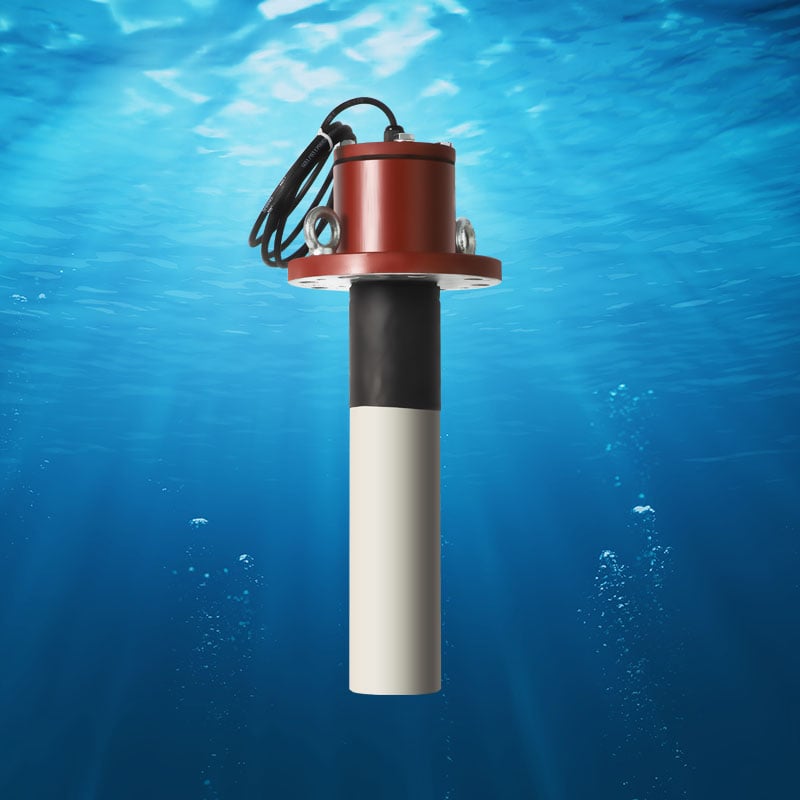
Ang ICCP ay isa sa mga pinipili ng mga may-ari ng barko dahil nagbibigay ito ng mahusay na proteksyon laban sa korosyon. Mahal ang paggawa ng mga barko at kailangang mapanatili nang maayos upang tumagal. Sa pamamagitan ng paggamit ng ICCP, ang mga may-ari ng barko ay nakakapagpanatili ng kaligtasan ng kanilang mga barko, na maaaring makatipid sa kanila ng pera sa kabuuan. Gumagana ang sistemang ito sa pamamagitan ng paglalapat ng kuryenteng elektrikal sa mga ibabaw ng metal na bahagi ng barko, na bumubuo ng isang protektibong layer. Ito ay isang paraan upang magdagdag ng proteksyon laban sa maalat na tubig, na lubhang nakakalason sa metal.
Isa pang dahilan kung bakit mainam ang pagpili sa ICCP ay dahil ito'y lubos na gumagana sa iba't ibang uri ng tubig. Kung saan man nakalutang ang barko—karagatan man o ilog—maayos naman ang pagtugon ng sistema ng i.c.c.p. upang maprotektahan laban sa pagsisira dahil sa kalawang. Ito ang dahilan kung bakit hindi gaanong nag-aalala ang mga may-ari ng barko tungkol sa lugar ng kanilang operasyon. Bukod dito, karaniwang awtomatiko ang mga sistema ng ICCP, na nagbibigay-daan sa mas madaling paggamit. Kapag naitatag na, maaari itong gumana nang halos mag-isa at hindi nangangailangan ng masyadong pansin araw-araw. Mas mainam ito para mas maipokus ng kawan ng barko sa iba pang gawain.
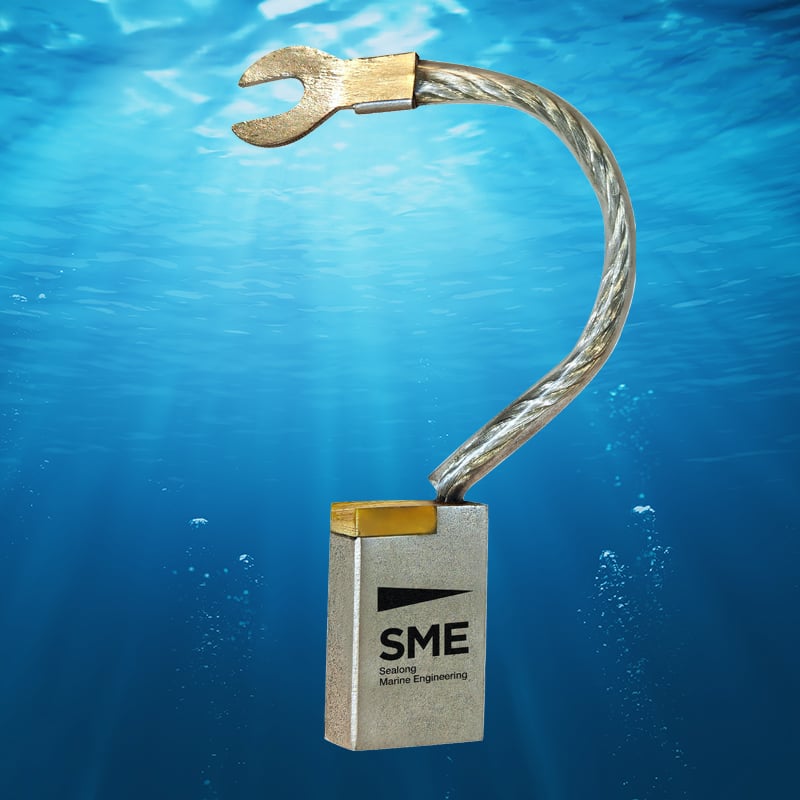
Ang mga sistemang ICCP (Impressed Current Cathodic Protection) ng SME ay matatag na proteksyon laban sa korosyon dahil sa impressed current cathodic protection sa mga barko at sa taon-taong karanasan sa larangang ito. Kami ay isang kilalang Tsino manufacturing company at nakapag-akumula na ng karanasan sa paghahandle ng daan-daang proyekto ng mga sasakyang pandagat bawat taon. Nagbibigay kami ng komprehensibong Solusyon sa ICCP, kabilang ang mga anode at mga spare part. Bukod dito, ang SME ay nag-o-offer ng ekspertong serbisyo sa pag-aayos, pagpapanatili, at pagbabago upang matiyak na ang inyong sistema ay gumagana nang may pinakamataas na antas sa buong buhay na operasyon nito. Nagbibigay din kami ng mga sistemang AI na nag-a-analyze ng mga log sheet at nagpapahula ng mga paparating na pangyayari, na nagbibigay ng tiyak na pagsusuri sa kaligtasan at mga babala. Determinado ang SME na tugunan ang saklaw ng inyong mga kabalaka, hindi lamang ang inyong mga inaasahan!
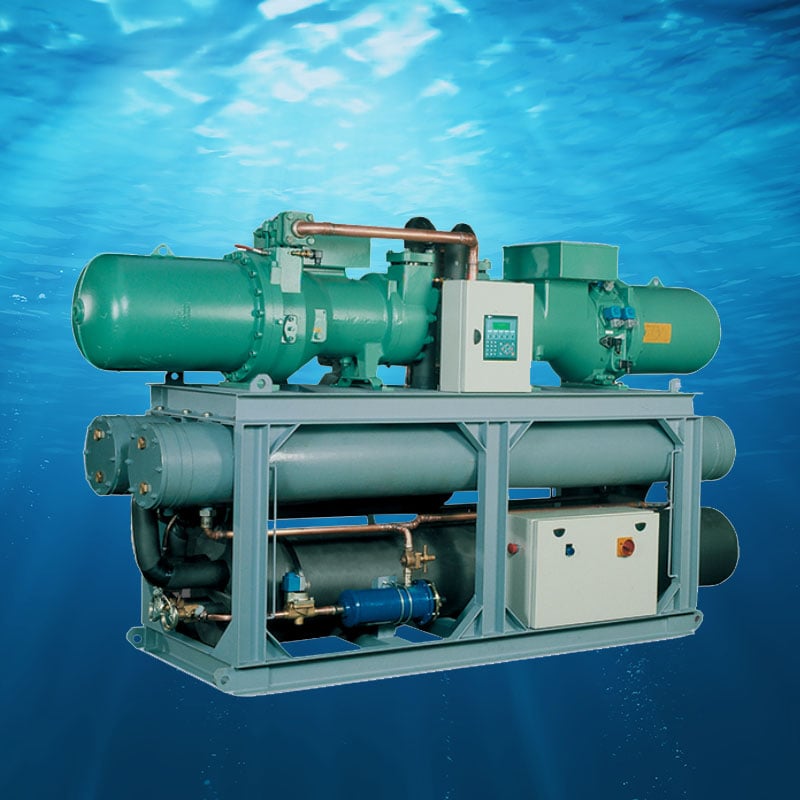
Ang SME ay nagbibigay ng propesyonal na solusyon para sa impressed current cathodic protection (MGPS) sa mga barko upang pangalagaan ang sistema ng paglamig gamit ang tubig-dagat ng iyong barko laban sa nakakasirang marine biofouling. Ang aming mga sistema ay dinisenyo at ginawa nang may kahusayan upang matiyak ang matagal na pagganap at kaunting pangangalaga. Mayroon ang SME ng maraming taon ng ekspertisya sa marine engineering. Nag-ooffer ang SME ng lahat ng aspeto ng mga serbisyo sa MGPS, kabilang ang disenyo, instalasyon, modipikasyon, reparyo, at pangangalaga. Dahil sa aming malaking imbentaryo, kayang tugunan namin ang anumang pangangailangan mo sa mga sangkap ng MGPS at matiyak na ligtas at walang interupsiyon ang iyong barko. Ang SME ay isang mapagkakatiwalaang kasosyo na hindi lamang nagbibigay ng maaasahang mga sistemang MGPS kundi pati na rin ang karanasan at mga yaman upang matiyak na ang iyong sistema ay gumagana nang optimal. Ito ay babawasan ang posibilidad ng mahal na reparyo at pagkaantala dulot ng marine biofouling.
Ang SME ay nag-ooffer ng malawak na hanay ng Plate Heat Exchanger (PHE) na may impressed current cathodic protection para sa mga barko, na idinisenyo upang matiyak ang pangmatagalang tibay at pagganap ng iyong kagamitan. Nagbibigay kami ng propesyonal na paglilinis, lubusang inspeksyon, pressure testing, at state-of-the-art na proseso ng cleaning in place (CIP), na nagpapahintulot sa paglilinis ng kagamitan habang nasa loob pa ito ng sistema, nang hindi kailangang alisin ito. Handa kaming tanggapin ang anumang proyekto, anuman ang laki nito. Ang aming workshop, na sumasakop sa 5,000 square meters, ay may imbentaryo na nagkakahalaga ng $10 milyon. Ang napakalaking kapasidad na ito, kasama ang aming taon-taon na ekspertisya at high-tech na teknolohiya sa serbisyo, ay nagpapahintulot sa amin na magbigay ng 12-buwan na warranty sa lahat ng aming proyektong PHE. Nakatuon kami sa mataas na kalidad at eksaktong paggawa—na nagpapababa sa mga panganib at nagpapataas sa buhay ng mga heat exchanger na nainstall mo.
Ang SME ay isang kilalang kumpanya sa larangan ng marine engineering na matatagpuan sa Tsina, na may malawak na karanasan sa mga advanced na sistema ng cathodic protection para sa mga barko, pati na rin sa serbisyo ng heat exchanger at mga sistema para sa pag-iwas sa paglago ng marine organisms. Ang SME ay may ilang dekada ng ekspertisya sa industriya at nag-ooffer ng kompletong solusyon na kinabibilangan ng disenyo, instalasyon, at pangangalaga ng mga ICCP System, MGPS, at Plate Heat Exchangers. Ang sukat ng workshop nito ay 5,000 metro kuwadrado at ang halaga ng inventory nito ay $10 milyon—na sumasalamin sa malaking kapasidad at dedikasyon nito sa pagbibigay ng mataas na kalidad na serbisyo. Suportado nito ang daan-daang barko bawat taon, na nagpapatitiyak na ang bawat proyekto ay nakikinabang sa malawak na ekspertisya at sa pinakabagong teknolohiya nito. Ang SME ay nagsisikap na tupdin ang inyong mga pangangailangan, hindi lamang ang inyong mga inaasahan!
 EN
EN